Hyperbaric Oxygen Therapy Side Effects: What to Know Before Your First Session
Your doctor just recommended hyperbaric oxygen therapy. You went home, typed "side effects" into Google, and now you're reading about seizures, vision changes, and something called barotrauma. Take a breath. The overall adverse event rate for hyperbaric oxygen therapy is roughly 0.4%, according to a study of monoplace chamber treatments. Most side effects are mild, temporary, and manageable with simple preparation.
That doesn't mean you should ignore them. Understanding what might happen during treatment helps you prepare, ask the right questions, and know when to speak up. This guide covers every known hyperbaric oxygen therapy side effect, how common each one actually is, who faces higher risk, and what you can do to prevent problems before they start.
The most common side effects of hyperbaric oxygen therapy
Most people complete their full treatment course without serious issues. But some side effects show up more often than others. A 2023 meta-analysis of 24 clinical trials involving 1,497 patients found that ear discomfort is the most frequently reported side effect, followed by vision changes and sinus pressure.
Here's what the research says about the most common ones.
Ear pressure and barotrauma
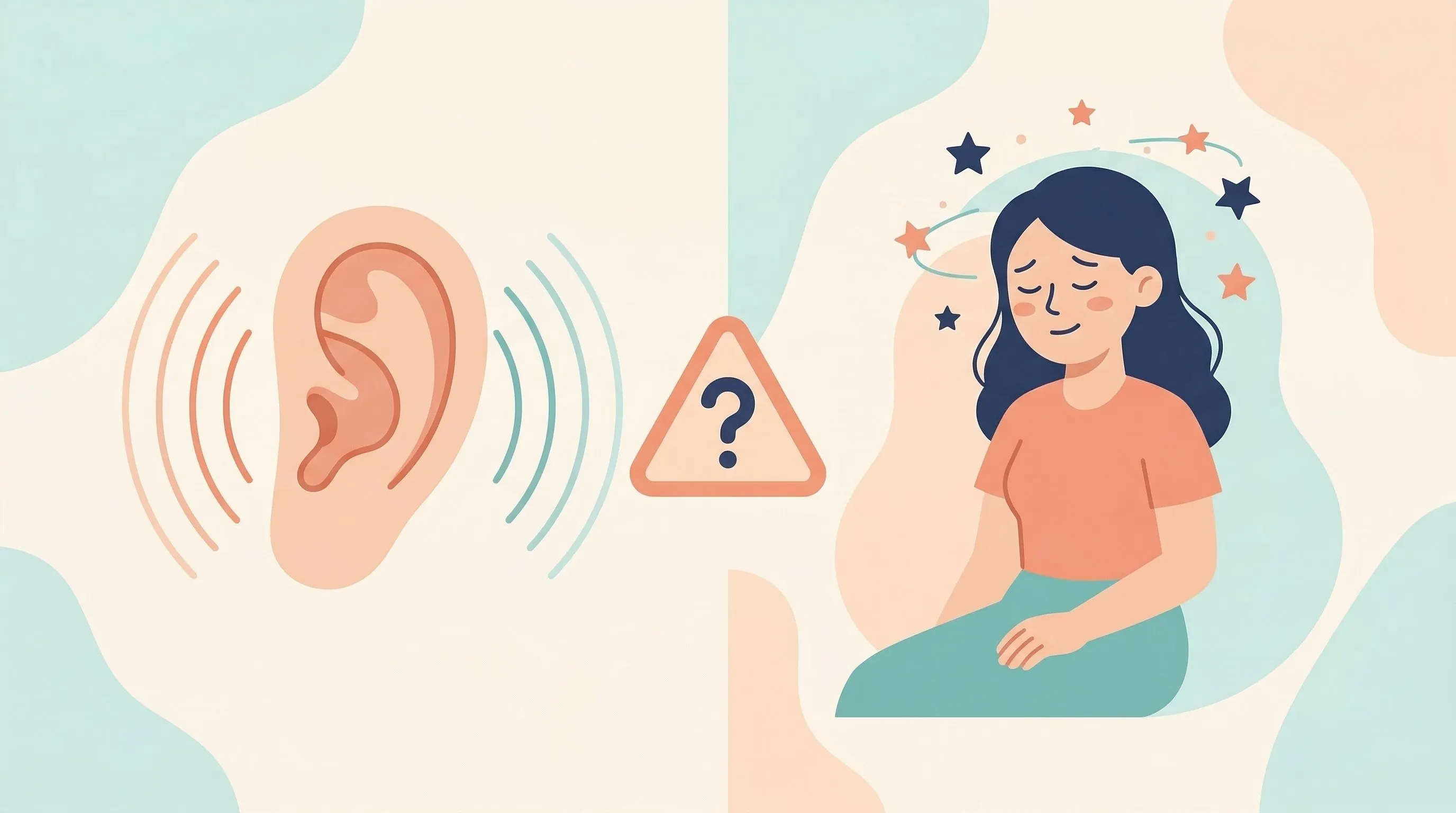
Ear pressure is the side effect you're most likely to experience. It happens because the chamber increases atmospheric pressure, and your middle ear needs to equalize. Think of it like the pressure you feel during airplane takeoff, but more gradual.
The numbers vary depending on the study. A detailed review in Advances in Wound Care found middle ear barotrauma rates ranging from 2% in routine outpatient settings to as high as 43% in a large prospective study that actively screened for it. The good news: 84% of cases were minor (grades 1-2 on the TEED scale), meaning mild redness or slight retraction of the eardrum that resolves on its own.
Sarah, a 48-year-old recovering from a non-healing surgical wound, almost skipped her second session after feeling sharp ear pressure during her first. Her technician taught her the Valsalva maneuver (pinching your nose and gently blowing), and the pressure cleared within seconds. She completed 30 sessions without another problem.
Temporary vision changes (myopic shift)
If you need more than 20 sessions, you may notice your near vision getting slightly better while your distance vision gets slightly worse. This happens because prolonged oxygen exposure temporarily changes the shape of your eye's lens.
A 2024 survey of UHMS members found myopia was the most commonly reported complication at 24.4% of all adverse effects. The shift is roughly 0.25 diopters per week at pressures of 2.0 ATA or higher.
The important part: it reverses completely. Vision typically returns to normal within 3 to 6 weeks after your final session, though it can take up to 12 months in rare cases. If you wear glasses, your prescription may feel slightly off during treatment. Hold off on getting new lenses until several weeks after treatment ends.
Sinus and dental discomfort
The same pressure changes that affect your ears can affect your sinuses. If you have congestion, a cold, or sinus inflammation, the pressure difference can cause pain in your forehead, cheeks, or upper teeth.
Dental discomfort (sometimes called "tooth squeeze") happens when air gets trapped in a cavity, under a filling, or around a crown. It's uncommon but can be sharp and surprising.
Both issues are preventable. Clear congestion before sessions. Tell your provider about recent dental work. If sinus pressure becomes a pattern, your clinic may recommend a decongestant before treatment.
Fatigue after sessions
Many patients feel tired after hyperbaric oxygen therapy, especially in the first week. Your body is processing significantly more oxygen than usual, and the healing response takes energy. This isn't technically a side effect; it's a sign your body is working.
Fatigue typically decreases as your body adjusts. Plan to rest after your first few sessions. Don't schedule intense activities immediately afterward.
If you're curious about what a typical session involves and how to prepare, read our guide on what the research shows about hyperbaric oxygen therapy benefits.
Less common but important side effects
These side effects are rare but worth knowing about. Being informed helps you recognize symptoms early and respond appropriately.
Oxygen toxicity seizures
This is the side effect that scares people most, and understandably so. Seizures can occur when the brain receives too much oxygen at high pressure. But the actual risk is extremely low.
The traditional estimate is 1 seizure per 10,000 treatments. More recent data from the past 15 years suggests a rate closer to 1 in 2,000 to 3,000 treatments. Even at that higher estimate, the risk per individual session remains very small.
What matters most: no long-term neurological damage has been documented from oxygen toxicity seizures during HBOT. When they do occur, they stop within minutes once the patient breathes normal air. Your treatment team is trained to manage this, and the chamber can be depressurized quickly.
Risk factors include epilepsy, uncontrolled diabetes, high fever, and certain medications. Your provider will screen for these before starting treatment.
Claustrophobia and anxiety
About 11.5% of adverse effects reported in a UHMS survey involved confinement anxiety. Monoplace chambers (which treat one person at a time) are essentially clear tubes. If enclosed spaces make you uncomfortable, this matters.
Marcus, a 52-year-old veteran pursuing HBOT for a traumatic brain injury, felt his chest tighten during his first session in a monoplace chamber. His clinic switched him to a multiplace chamber, where he could sit in a room-sized space with other patients. The anxiety disappeared. He completed 40 sessions and noticed meaningful improvement in his concentration and sleep.
Options if you're concerned about claustrophobia:
- Ask about multiplace chambers (room-sized, much less confining)
- Request a "dry run" to sit in the chamber without pressurization
- Some clinics offer music, videos, or transparent chambers
- Talk to your provider about anti-anxiety options
You can compare types of hyperbaric chambers to understand the difference between monoplace, multiplace, and other chamber designs.
Blood sugar drops
Hyperbaric oxygen therapy can lower blood sugar during treatment. This matters most for diabetic patients, who make up a significant portion of HBOT recipients (diabetic wound healing is one of the 14 FDA-approved conditions).
Eat a meal or substantial snack before your session. Bring a glucose monitor if you're diabetic. Your clinic should check blood sugar before and after treatment if you have diabetes.
How side effects vary by chamber pressure and type
Not all hyperbaric treatments carry the same risk. The 2023 meta-analysis in Frontiers in Medicine found a clear relationship between chamber pressure and adverse event rates.
| Factor | Lower risk | Higher risk |
|---|---|---|
| Pressure | Below 2.0 ATA | 2.0 ATA and above (RR = 7.99) |
| Sessions | 10 or fewer | More than 10 sessions |
| Chamber type | Soft-shell (1.3-1.5 ATA) | Hard-shell (2.0-3.0 ATA) |
| Vision changes | Short courses | 20+ sessions at 2.0+ ATA |
| Ear barotrauma | Slow compression (2 psi/min) | Fast compression |
This doesn't mean higher-pressure treatments are dangerous. It means the treatment intensity should match the condition being treated. FDA-approved conditions like wound care, carbon monoxide poisoning, and decompression sickness typically require 2.0-2.4 ATA because that's what the clinical evidence supports.
Soft-shell chambers, which operate at lower pressures (1.3-1.5 ATA), have fewer reported side effects. But they also deliver significantly less oxygen, which means they may not be effective for conditions that require higher pressures. Your provider should explain why they're recommending a specific pressure for your situation.
Ready to compare your options? Browse hyperbaric oxygen therapy clinics near you to find one that matches your treatment needs.
Who should be cautious about hyperbaric oxygen therapy
Most people tolerate HBOT well. But certain conditions increase the risk of complications.
Medical conditions that require extra screening
- Untreated pneumothorax (collapsed lung): This is an absolute contraindication. The pressure changes can make it worse.
- Severe COPD or emphysema: Air trapping in the lungs raises the risk of pulmonary barotrauma.
- Heart failure with low ejection fraction (below 35%): HBOT can cause fluid buildup in the lungs. The incidence of pulmonary edema is roughly 1 in 1,000 to 1 in 4,500 treatments in at-risk patients.
- Active seizure disorders: Higher baseline risk for oxygen toxicity seizures.
- Pregnancy: Not enough safety data; most clinics won't treat pregnant patients.
Medication interactions
Some medications don't mix well with high-pressure oxygen:
- Bleomycin (chemotherapy drug): Wait at least 6 months after your last dose before starting HBOT. The combination can cause severe lung damage.
- Doxorubicin (chemotherapy drug): Wait at least 24 hours after administration.
- Cisplatin: May increase oxygen toxicity risk.
- Disulfiram (Antabuse): Can block the protective enzyme against oxygen toxicity.
Always give your provider a complete medication list before starting treatment. This is not optional.
How to prevent and manage side effects
Most HBOT side effects are preventable with simple preparation. Here's what works.
Before your session
- Clear your sinuses. If you have congestion, use a saline rinse or decongestant 30 minutes before treatment. Don't start a session with a head cold if you can reschedule.
- Eat something. A meal or snack prevents blood sugar drops and lightheadedness. Avoid alcohol the night before.
- Skip the caffeine. Coffee can increase anxiety and may affect blood pressure during treatment.
- Wear comfortable, cotton clothing. Most clinics provide scrubs. Synthetic materials and anything with static risk aren't allowed in high-oxygen environments.
- Practice ear clearing. Swallowing, yawning, or the Valsalva maneuver (pinch your nose, close your mouth, gently blow) all help equalize pressure.
During treatment
- Tell your technician immediately if you feel ear pain, dizziness, or unusual symptoms. They can slow the compression rate or pause treatment.
- Breathe normally. You don't need to breathe deeply or hold your breath.
- Swallow frequently during compression and decompression to equalize ear pressure.
After treatment
- Rest. Especially after your first few sessions. Fatigue is normal.
- Stay hydrated. Extra oxygen processing means your body needs more water.
- Don't get new glasses yet. If you notice vision changes, they'll reverse after treatment ends. Wait 6-8 weeks post-treatment before updating prescriptions.
David, a 61-year-old being treated for radiation injury from prostate cancer treatment, struggled with ear pressure during his first three sessions. His technician slowed the compression rate from the standard to 1 psi per minute and taught him to swallow small sips of water during pressurization. The ear discomfort dropped to nearly zero for his remaining 37 sessions.
What the numbers actually mean for you
Let's put the risk in perspective. Here's a side-by-side comparison of HBOT side effects and their real-world frequency.
| Side effect | How often it happens | Severity | Reversible? |
|---|---|---|---|
| Ear pressure/discomfort | 2-43% of patients | Mild (84% grade 1-2) | Yes, immediately |
| Temporary vision changes | 20-69% after 20+ sessions | Mild | Yes, 3-6 weeks |
| Sinus pressure | Occasional | Mild | Yes, same day |
| Fatigue | Common, first week | Mild | Yes, ongoing |
| Confinement anxiety | ~11.5% of adverse events | Moderate | Yes, with accommodation |
| Blood sugar drop | Diabetic patients | Moderate | Yes, with preparation |
| Oxygen toxicity seizure | 1 in 2,000-10,000 treatments | Serious but brief | Yes, no lasting damage |
| Pulmonary edema | 1 in 1,000-4,500 (at-risk) | Serious | Yes, with treatment |
For context, many common medical procedures and medications carry similar or higher adverse event rates. HBOT has a strong overall safety profile when administered in a clinical setting with trained staff.
That said, safety depends on the clinic. Physician oversight, properly maintained equipment, and trained hyperbaric technicians all matter. When you're comparing clinics, ask about their safety protocols and staff credentials.
Search for clinics near you with the chamber types and specializations that match your treatment needs.
Frequently asked questions
Is hyperbaric oxygen therapy painful?
Most patients describe HBOT as comfortable, not painful. The main sensation is pressure in your ears during the first few minutes, similar to what you feel during an airplane descent. Learning to equalize your ears (swallowing, yawning, or the Valsalva maneuver) eliminates this for most people. The treatment itself involves lying or sitting in a chamber while breathing normally.
Can hyperbaric oxygen therapy cause permanent damage?
Permanent damage from HBOT is extremely rare when treatment follows established protocols. Vision changes reverse within weeks to months. Ear barotrauma heals on its own in the vast majority of cases. Oxygen toxicity seizures, though alarming, leave no lasting neurological effects. The only long-term risk (cataracts) requires more than 150 sessions, which exceeds standard treatment courses.
How do I know if my clinic is safe?
Look for clinics with physician oversight during treatments, UHMS-accredited facilities or physicians, properly maintained chambers with current safety certifications, and trained hyperbaric technicians. You can review our clinical research section to understand evidence-based treatment protocols and browse clinics filtered by specialization.
Should I stop treatment if I experience side effects?
Not necessarily. Most side effects (ear pressure, mild fatigue) are manageable and don't require stopping treatment. Your provider can adjust compression rates, add breaks, or modify session length. However, if you experience chest pain, severe breathing difficulty, or a seizure, treatment should stop and your provider should evaluate you before continuing.
Are side effects worse with more sessions?
Some side effects, like temporary vision changes, are more likely to appear during longer treatment courses (20+ sessions). But ear pressure often gets easier as your body learns to equalize. Fatigue typically decreases after the first week. Your provider will monitor you throughout your treatment course and adjust if needed.
The bottom line
Hyperbaric oxygen therapy side effects are real but manageable. The most common issue, ear pressure, responds to simple techniques most people master by their second session. Vision changes reverse on their own. Serious complications like seizures are rare and leave no lasting effects.
The key is preparation. Know what to expect, choose a clinic with proper oversight, communicate with your treatment team, and follow pre-session guidelines. Millions of HBOT sessions are delivered safely every year across the United States.
If you're considering hyperbaric oxygen therapy for a condition like wound healing, TBI, or Long COVID, understanding the side effects is an important step. Knowing what might happen puts you in control of your treatment experience.
Ready to find a clinic? Browse 2,400+ verified hyperbaric oxygen therapy clinics across the United States. Filter by location, chamber type, and conditions treated.
Sources
-
Zhang Y, Zhou Y, Jia Y, et al. "Adverse effects of hyperbaric oxygen therapy: a systematic review and meta-analysis." Frontiers in Medicine. 2023;10:1160774. https://www.frontiersin.org/journals/medicine/articles/10.3389/fmed.2023.1160774/full
-
Heyboer M, Sharma D, Santiago W, McCulloch N. "Hyperbaric Oxygen Therapy: Side Effects Defined and Quantified." Advances in Wound Care. 2017;6(6):210-224. https://pmc.ncbi.nlm.nih.gov/articles/PMC5467109/
-
Laspro M, Wei LW, Brydges HT, et al. "Hyperbaric Oxygen Therapy Regimens, Treated Conditions, and Adverse Effect Profile: an Undersea and Hyperbaric Medical Society Survey Study." Undersea and Hyperbaric Medicine. 2024;51(4):369-376. https://pubmed.ncbi.nlm.nih.gov/39821765/
-
Hyperbaric Complications. StatPearls [Internet]. National Library of Medicine. https://www.ncbi.nlm.nih.gov/books/NBK459191/
This article is for informational purposes only and does not constitute medical advice. Always consult a qualified healthcare provider before starting any treatment, including hyperbaric oxygen therapy.
Related Articles
 guides
Home Hyperbaric Chamber: Costs, Safety, and What You Need to Know
Home hyperbaric chambers cost $4,000-$20,000 for soft-shell units. Learn what you can treat at home versus in a clinic, safety requirements, and whether the investment makes sense for you.
 guides
Soft Shell vs Hard Shell Hyperbaric Chamber: Which One Is Right for You?
Soft shell chambers max out at 1.3 ATA with ambient air. Hard shell chambers deliver 100% oxygen at 2.0-3.0 ATA. Here is what the evidence says about each type and how to decide which is right for you.
 guides
How to Choose a Hyperbaric Oxygen Therapy Clinic: 7 Questions to Ask
Learn the 7 essential questions to ask before choosing a hyperbaric oxygen therapy clinic. From UHMS accreditation to chamber types and safety protocols, find a clinic you can trust.